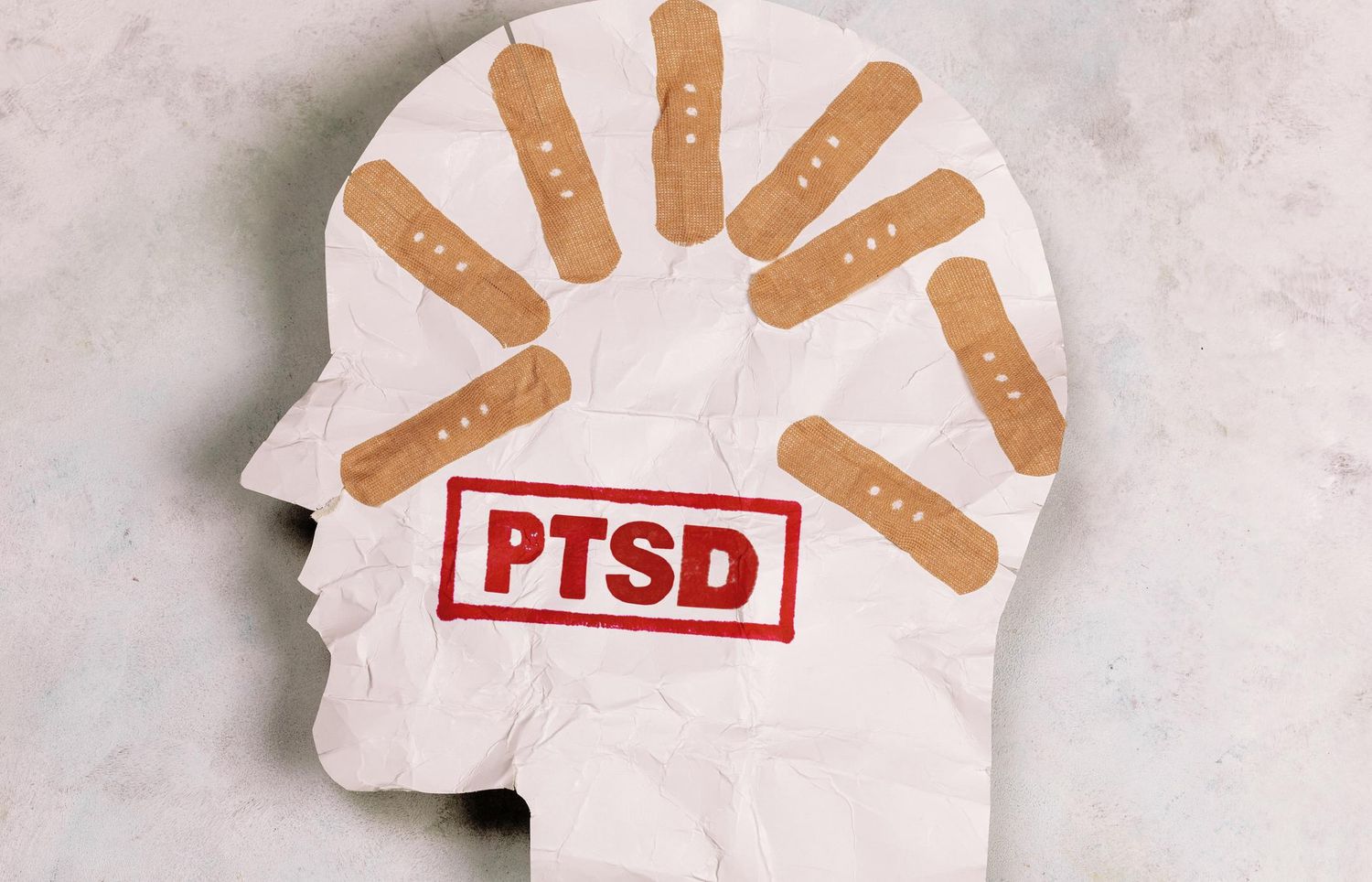
Recovery from trauma is often misunderstood. Many people believe that feeling “better” or managing symptoms is the end goal. In reality, true healing goes much deeper. It means restoring how the brain functions, improving emotional regulation, and creating lasting stability in daily life.
A well-structured ptsd treatment program focuses not only on reducing distress but on addressing the root neurological imbalances caused by trauma. When the brain is dysregulated, it can lead to anxiety, mood swings, poor sleep, and difficulty concentrating. Real recovery begins when these patterns are identified and corrected at the source.
Why Symptom-Based Approaches Often Fall Short
Traditional approaches often rely on talk therapy or medication alone. While these methods can be helpful, they may not fully address the underlying brain dysfunction. Trauma changes how different areas of the brain communicate, and without understanding these changes, treatment can feel slow or inconsistent.
At Genesis Brain Institute, the focus is on measurable results. Instead of guessing, advanced tools are used to analyze brain activity and identify specific imbalances. This allows for a more targeted and effective recovery process.
True recovery starts with understanding the brain. A data-driven approach provides clear insights into how trauma has affected neural pathways. This process often begins with comprehensive assessments such as qEEG brain mapping, which measures brainwave activity in real time.
These insights help clinicians design a personalized care plan that targets the exact areas of dysfunction. Rather than applying the same method to everyone, treatment is tailored to the individual—leading to faster and more sustainable outcomes.
Personalized Therapies That Create Lasting Change
Once the root causes are identified, a combination of advanced therapies is used to retrain the brain:
Neurofeedback Training
This therapy teaches the brain to regulate itself. Over time, it improves focus, emotional control, and resilience to stress.
TMS Therapy (Transcranial Magnetic Stimulation)
A non-invasive treatment that stimulates underactive brain regions, helping improve mood and reduce symptoms of trauma-related conditions.
Functional Neurology and Cognitive Training
These techniques strengthen brain-body connections, enhancing overall performance and stability.
Together, these therapies work synergistically to create long-term improvements rather than temporary relief.
Healing is not an overnight process—it is a journey. Initially, individuals may notice small changes such as improved sleep or reduced anxiety. Over time, these improvements build into greater emotional stability, clearer thinking, and a renewed sense of control.
Real recovery means:
- Feeling calm without constant overwhelm
- Being able to focus and think clearly
- Experiencing stable moods throughout the day
- Regaining confidence and motivation
This transformation happens when the brain is functioning optimally again.
The Role of Advanced Diagnostics in Recovery
One of the key differences in modern care is the use of measurable data. Advanced diagnostics eliminate guesswork and provide clear benchmarks for progress. Clinicians can track improvements in brain function and adjust treatment plans as needed.
This ensures that recovery is not only effective but also efficient. Patients gain confidence knowing their progress is based on real, observable changes—not just subjective feelings.
Moving Toward Long-Term Mental Wellness
Sustainable recovery goes beyond symptom relief. It focuses on building resilience so the brain can adapt to stress and challenges more effectively. This approach helps prevent relapse and supports long-term mental wellness
By addressing the root causes of trauma, individuals are not just managing their condition—they are transforming how their brain works.
A New Perspective on Depression and Brain Health
In many cases, trauma and depression are closely connected. Advanced techniques like brain mapping for depression provide deeper insights into how mood disorders develop at the neurological level. By identifying specific patterns of brain activity, clinicians can design targeted interventions that improve both emotional health and cognitive function.
This approach represents a shift from generalized care to precision-based treatment—helping individuals achieve more meaningful and lasting results.
Conclusion: Recovery Is Possible
Real recovery is not about masking symptoms—it is about restoring balance, function, and quality of life. With the right approach, healing becomes measurable, personalized, and sustainable.
By combining advanced diagnostics with targeted therapies, individuals can move beyond survival and step into a life of clarity, stability, and renewed purpose. The journey may take time, but with the right guidance and a science-backed approach, lasting recovery is absolutely within reach.